
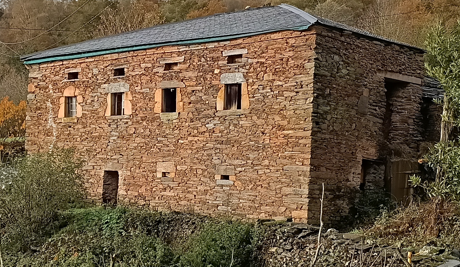



It had to happen. I had hoped it would be later, but it was inevitable that we would eventually have to face the reality of living alongside the local people.
The social atmosphere in the region is not very different from that of any isolated community that has remained almost cut off from the main roads for long periods. Rural depopulation has left this place almost empty in favour of the city — and that “almost” is key.

Centuries ago, the people of this place lived in isolated, self-sufficient houses. Trade was scarce, and the names of provincial capitals sounded as exotic as New York or Tokyo would to the average European of the time. This isolation forged a community that was wary, distrustful, hardworking, and unaccustomed to social niceties. Traditions were passed from parents to children purely for survival; life was already hard enough without room for dances or celebrations.
This was how things remained until the Industrial Revolution, which reached Asturias almost a century late. When it finally arrived, it brought a dizzying acceleration that thrust those who did not emigrate straight into the modern age.

Nowadays there is internet and digital television. The cows are registered in a government database, the fields are geolocated by GPS, and the few workers who remain in the area travel to the main cities several times a day. Almost nothing is left of the old inhabitants, except for their customs.

In this area, as in all those like it, only a few hundred people remain, scattered across a vast territory. Everyone knows each other, everyone is up to date with the latest news, and, as in any village, rumours and stories circulate.

Only in the big city is it taken for granted that anyone has the right to live there. In the villages, anyone who wasn’t born in the area is considered an outsider. We already have experience as outsiders; we have spent our whole lives feeling like strangers in our own home. And yet, we have found people who have opened up to us — not as many as one might hope, but enough to know that we are not alone.

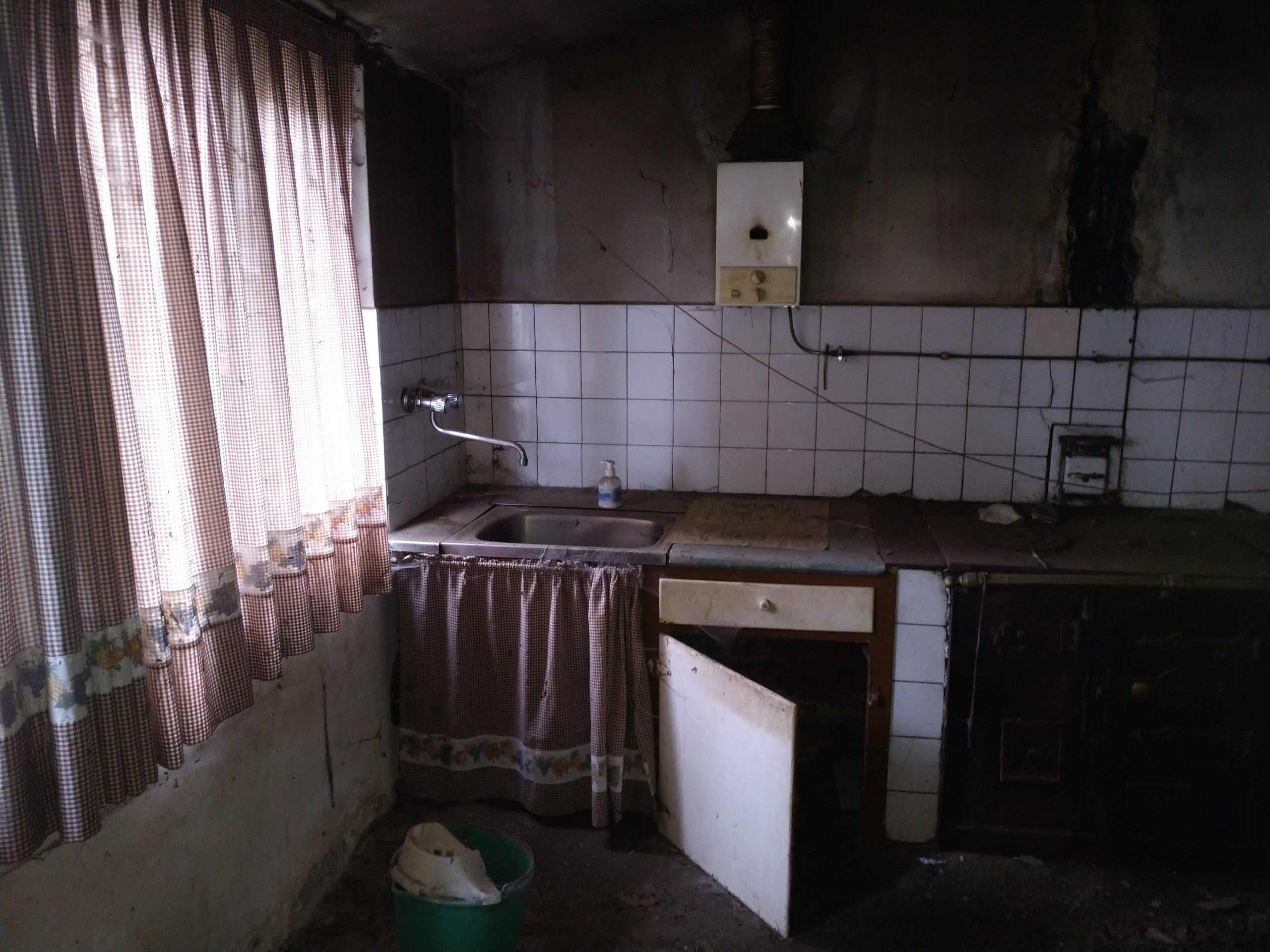
The big difference with our current environment is that the countryside is becoming depopulated. There will be few of us, and we will have to get along — or, to put it another way, neither our neighbours nor we will be selective enough to discriminate against anyone, because we will need each other. In any case, we are looking for peace, tranquillity and silence. A place where we can read, go for walks, build a thousand crazy ideas in a workshop, programme a computer, cook, watch films, tend a vegetable garden, open the window and see a green landscape, enjoy the rain (yes, I said “enjoy”), the cold, a good conversation by the fireside, bake bread at dawn, heat the afternoon tea on the wood-fired stove, slowly shell the moments of a life that is slipping away, savouring every minute and what it is worth…
… and close our eyes, build a giant wall of ignorance to separate ourselves from the rest of the world, so that in its shelter we might reclaim the flavour of an era that will never return.
Basically, to jump back in time while rescuing the good parts of the present — because they do exist — and be happy, or at least try.