




The scarcity of gas and oil derivatives caused by Russia’s invasion of Ukraine at the beginning of 2022 triggered a sharp rise in prices. Within weeks, producers passed the costs on to their products and prices skyrocketed, causing inflation higher than during the 1970s oil crisis. Electricity prices also rose considerably, far outpacing wages, and overnight the middle and lower classes became significantly poorer.
When prices spiral out of control, there are only two remedies: devalue the currency or raise the cost of money. Devaluing the currency can be effective when the price increase is due to a temporary factor, but that is not the case here. Central banks decided to raise the cost of money for two reasons: first, borrowing becomes more expensive, so people will only take out loans for essential expenses; second, saving becomes more attractive. These two factors are intended to make people stop spending and start saving. In theory, suppliers will then struggle to sell their products and will eventually be forced to lower prices or close their businesses.
All this turmoil caught us in the middle of looking for a builder for the house. We had hoped that prices would not affect materials too much, since we intended to use local products. However, two of the three quotes we had requested arrived, and the figures came with a bitter taste of reality.
The numbers tell us that if we go into debt up to our eyeballs, we could start the work and leave part of the house in decent condition, though not habitable, at a price far higher than it would have cost to complete the entire construction. Is it worth it?
No. It is not worth it. Although one day this will be our home, we still live elsewhere, we will have to face unexpected expenses, and we will almost certainly need to keep all our reserves to get by. We are not poor; we have enough to live with dignity and even afford some small pleasures, but we cannot take on this economic and mental burden without seriously compromising our way of life.
However, there is a reward for those who save. Instead of throwing money around indiscriminately, we will try to build up our reserves so they are ready when the storm passes. We are talking about four or five years, perhaps more. It is likely that by then, with retirement age closer, we will consider selling our current home and tackling the entire project at once. It is frustrating, yes… a headache, a minor inconvenience compared to other families who will have real problems, not just buying a house, but keeping the one they have.
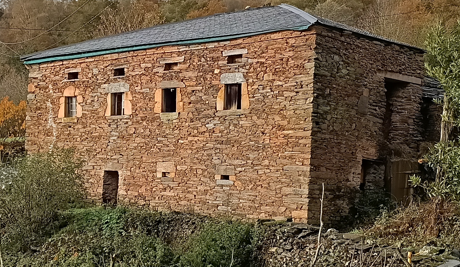
The new objective is to try to stop our property from falling into complete ruin and leave it in a decent state until we have the capacity to carry out the work. That is why this blog will remain active. There is still much to tell, although unfortunately it will not be the news we would like to share with you.
You have to take the rough with the smooth. It would be unrealistic to continue this series without also recounting the setbacks and blows to the stomach.